
Discover how EV incentives in Bangladesh are reducing taxes on electric cars, buses, trucks, and charging stations while encouraging cleaner transport.
Bangladesh Introduces Major EV Incentives to Accelerate Electric Vehicle Adoption
Bangladesh is taking a major step toward cleaner transportation with a new package of tax and tariff measures designed to encourage electric vehicle adoption. The government’s 2026-27 budget proposes substantial reductions in taxes on electric cars, plug-in hybrids and EV infrastructure while increasing the tax burden on conventional fossil-fuel vehicles.
The measures could make electric mobility more attractive in Bangladesh, where high import taxes have historically made EVs expensive compared with petrol- and diesel-powered alternatives.
EV Taxes Set for Major Reduction
Cheaper Electric Cars for Bangladeshi Buyers
One of the biggest changes under the new EV incentives in Bangladesh is a reduction in the overall tax burden on imported electric vehicles.
For EVs priced up to US$25,000, the proposed total tax incidence will fall from 93% to 64%. For electric vehicles priced above US$25,000 and up to US$50,000, the tax burden will decrease to 80%.
The government says the reduction is intended to address the high cost of electric vehicles and make cleaner transportation more accessible to consumers.
These changes could also encourage more automotive companies to introduce electric models in Bangladesh, potentially increasing competition and giving buyers a wider selection.
Electric Buses and Trucks Get Strong Support
The government is also extending significant benefits to commercial electric vehicles. Full duty-tax exemption, except VAT, is being extended for electric buses and trucks until June 30, 2030.
This is particularly important because buses and heavy trucks contribute significantly to urban and highway pollution. Moving commercial fleets toward electric power could therefore have a larger environmental impact than focusing only on private cars.
Earlier measures had already provided substantial relief for new electric buses and trucks, with VAT remaining applicable in certain categories. The longer-term extension now gives importers and transport operators more certainty.
Charging Infrastructure Becomes Cheaper
Nationwide EV Charging Network Planned
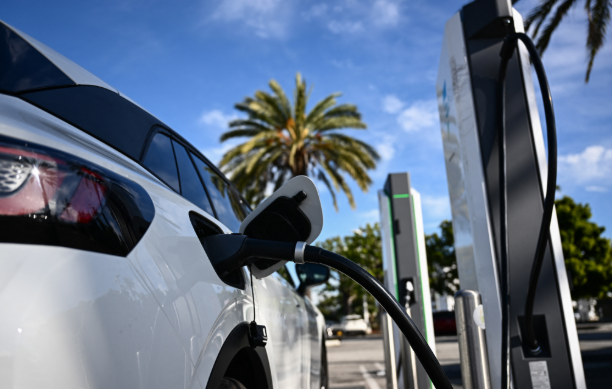
Another important part of the EV incentives in Bangladesh package is support for charging infrastructure.
The government has proposed reducing the combined tax burden on imported EV chargers and charging stations from 39.75% to zero.
This could encourage private companies to invest in charging networks across major cities and highways. A larger charging network will be essential if Bangladesh wants consumers to move beyond early EV adoption.
For EV owners, reliable access to charging could eventually become just as important as the vehicle’s purchase price.
Plug-In Hybrids Also Receive Tax Benefits
Bangladesh is not limiting its strategy to fully electric vehicles. The 2026-27 budget also proposes reduced duties for plug-in hybrid electric vehicles.
For brand-new plug-in hybrids with engine capacities up to 1,800cc, the regulatory duty would be removed. The total tax burden for qualifying vehicles would fall to around 73.44% from 93.16%. For models up to 2,000cc, the proposed burden would decline to 96.10% from 132.36%.
This gives buyers another lower-emission option while charging infrastructure and fully electric vehicles continue to develop.
Fossil-Fuel Cars Face Higher Taxes
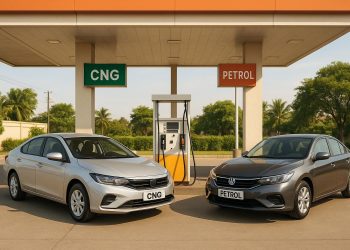
While electric vehicles receive incentives, conventional petrol and diesel vehicles are facing higher taxation.
For vehicles with engine capacities between 1,200cc and 1,600cc, the total tax incidence is proposed to increase from 132.36% to 155.88%.
The policy creates a stronger financial incentive for consumers to consider cleaner alternatives.
Challenges Could Slow the Transition
Despite the promising EV incentives in Bangladesh, significant challenges remain.
Electric buses and trucks can cost substantially more than conventional diesel vehicles, while operators also need charging facilities, trained technicians, replacement parts and technical expertise. Longer charging times could also create operational difficulties for public transport companies.
Industry representatives have therefore called for stronger infrastructure and policy support alongside the tax reductions.
Bangladesh Targets Cleaner Transport
The government’s strategy is linked to Bangladesh’s climate commitments and broader efforts to reduce air pollution and greenhouse-gas emissions.
The country aims to increase the share of electric vehicles in public and private transportation, with a target of 25% electric buses and trucks and 30% electric private cars by 2035.
For more Bangladesh automotive news, EV updates, and developments in the local vehicle market, readers can also visit GarirNews.
A Turning Point for Electric Mobility
The EV incentives in Bangladesh could represent a major change in the country’s automotive policy. Lower taxes on electric cars, major relief for electric buses and trucks, zero taxes proposed for charging infrastructure, and higher taxes on fossil-fuel vehicles collectively create a much stronger push toward cleaner transportation.
However, incentives alone will not guarantee widespread adoption. Bangladesh will need dependable charging networks, affordable EVs, skilled technicians, accessible spare parts, and practical financing options.
If those challenges are addressed, the new measures could help electric vehicles move from a niche product toward a much more common sight on Bangladesh’s roads.
What do you think? Would lower EV taxes convince you to switch from petrol or diesel to an electric car? Tell us which EV you’d buy in Bangladesh and why in the comments!