
Learn how vehicle emissions in Bangladesh and rising fuel consumption contribute to climate change, air pollution, and the need for cleaner transport.
How Fuel Consumption and Vehicle Emissions Are Adding to Bangladesh’s Climate Challenges
Bangladesh is highly vulnerable to climate change, facing rising temperatures, flooding, cyclones and other environmental pressures. While transport is essential for economic activity and daily life, the growing use of petrol and diesel vehicles is adding to the country’s environmental burden.
The transport sector emitted around 14 million tonnes of greenhouse gases in 2024, accounting for about 6% of Bangladesh’s total emissions, according to the Asian Transport Observatory. Road transport was responsible for approximately 75% of transport emissions.
This makes vehicle emissions in Bangladesh an increasingly important issue as the number of vehicles and demand for road transportation continue to grow.
Why Fuel Consumption Matters
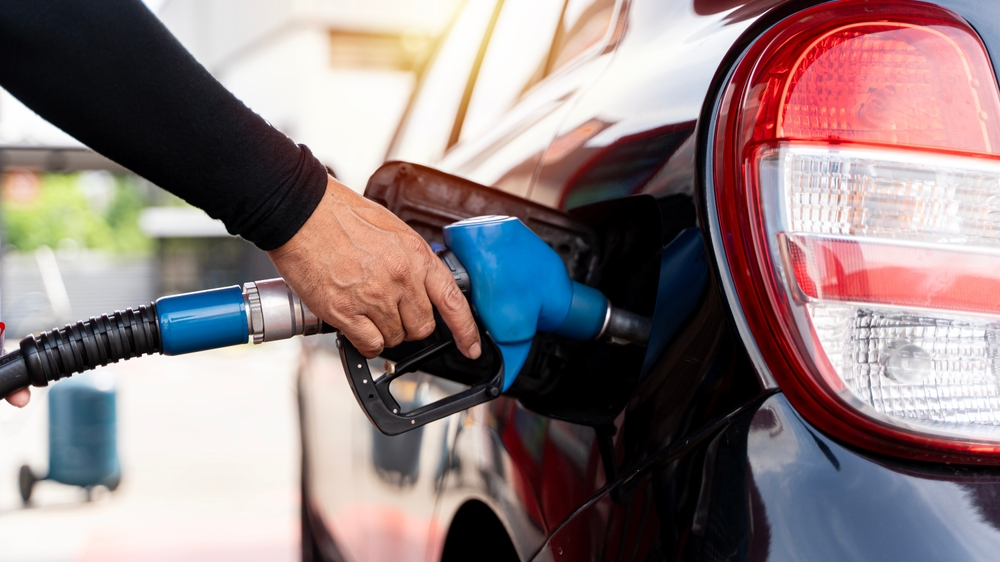
Most conventional cars, buses, trucks, and motorcycles depend on fossil fuels. When petrol or diesel is burned inside an engine, carbon dioxide is released into the atmosphere. CO₂ is a major greenhouse gas that contributes to long-term global warming.
Bangladesh’s transport system remains heavily dependent on petroleum. Oil products accounted for about 79% of transport energy consumption in 2023, while road transport alone consumed around 77% of the sector’s energy.
Traffic Congestion Increases Fuel Waste
Heavy congestion is another major concern. Vehicles frequently accelerate, brake, and remain stationary in traffic, particularly in densely populated urban areas.
When vehicles spend more time on the road to cover the same distance, fuel consumption increases. More fuel burned means more vehicle emissions in Bangladesh, alongside higher operating costs for drivers.
Improving traffic management and public transportation could therefore help address both congestion and emissions.
Vehicle Pollution Is Also an Air Quality Problem
Climate change is not the only concern. Vehicle exhaust can contain pollutants such as nitrogen oxides, carbon monoxide, particulate matter,r and other harmful compounds.
Research on Bangladesh’s transport emissions has found that around 90% of transport-sector CO₂ emissions were associated with on-road vehicles in the years examined.
The health consequences are significant. The World Bank reported that air pollution in Bangladesh was associated with more than 159,000 premature deaths and 2.5 billion days of illness in 2019.
Older Vehicles Can Make the Problem Worse
Vehicle age, maintenance,ce and fuel quality can all influence emissions. Poorly maintained engines may operate inefficiently and produce greater levels of pollutants.
Regular servicing, proper engine tuning, replacing dirty air filters and maintaining emission-control systems can help vehicles operate more efficiently.
For Bangladesh, stronger vehicle inspection and emissions-testing programs could also play an important role in reducing pollution from older and high-emitting vehicles. The World Bank’s current air-quality program includes new and upgraded vehicle inspection centers and mobile emissions-testing units.
Can Electric Vehicles Reduce Transport Emissions?
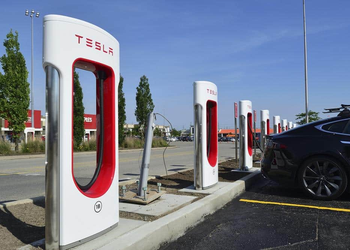
Electric vehicles offer Bangladesh an opportunity to reduce dependence on petrol and diesel. EVs have no tailpipe exhaust, meaning they can significantly reduce roadside pollution when replacing conventional vehicles.
The government has already signaled stronger support for electrification. In July 2026, Bangladesh’s road transport minister said the government was targeting at least 30% of road vehicles to become electric by 2030.
However, electrification needs to be accompanied by cleaner electricity generation, reliable charging infrastructure, and affordable vehicles to deliver larger climate benefits.
Cleaner Transport Could Help Bangladesh’s Future
Reducing vehicle emissions in Bangladesh will require more than simply replacing petrol cars with electric models. Better public transportation, fuel-efficient vehicles, improved traffic management, walking and cycling infrastructure, cleaner buses and greater use of rail and waterways can all contribute.
The World Bank has estimated that transport emissions could triple by 2050 under a business-as-usual scenario, with freight expected to account for much of the growth.
For more Bangladesh-focused automotive news, vehicle reviews and sustainability updates, visit GarirNews.
Conclusion
Fuel consumption and vehicle emissions in Bangladesh are becoming increasingly important as transportation demand grows. Petrol and diesel remain dominant, while congestion and older vehicles can increase both fuel use and pollution.
The transition toward electric mobility, more efficient vehicles, and stronger public transport could help Bangladesh reduce its transport-related climate footprint. At the same time, regular vehicle maintenance and smarter driving habits can provide immediate benefits.
Do you think Bangladesh should focus more on electric cars, better public transport, or stricter vehicle-emission rules? Share your opinion in the comments!