
EV growth in Bangladesh is gaining attention, but high vehicle prices, limited charging infrastructure, and range concerns continue to slow wider adoption.
Bangladesh EV Growth Slows as High Prices and Charging Gaps Keep Buyers Cautious
Bangladesh is gradually moving toward electric mobility as rising fuel costs, congestion and environmental concerns encourage people to consider alternatives to petrol and diesel vehicles. Electric bikes, e-rickshaws and other battery-powered vehicles are already becoming more visible on Bangladeshi roads.
However, the transition is far from straightforward. High purchase prices, concerns about where to charge and limited infrastructure continue to make many consumers cautious. These challenges are shaping the pace of EV growth in Bangladesh, even as government policy becomes increasingly supportive.
Rising Fuel Costs Encourage Electric Mobility
For many Bangladeshi commuters, fuel expenses have become an important consideration when choosing a vehicle. Long queues at fuel stations and restrictions on fuel purchases can make conventional transportation more inconvenient.
Electric two-wheelers and rickshaws offer an alternative because they do not depend directly on petrol or diesel. Their lower running costs can make them attractive to commuters and commercial users who travel frequently.
Charging Infrastructure Is Still a Major Concern
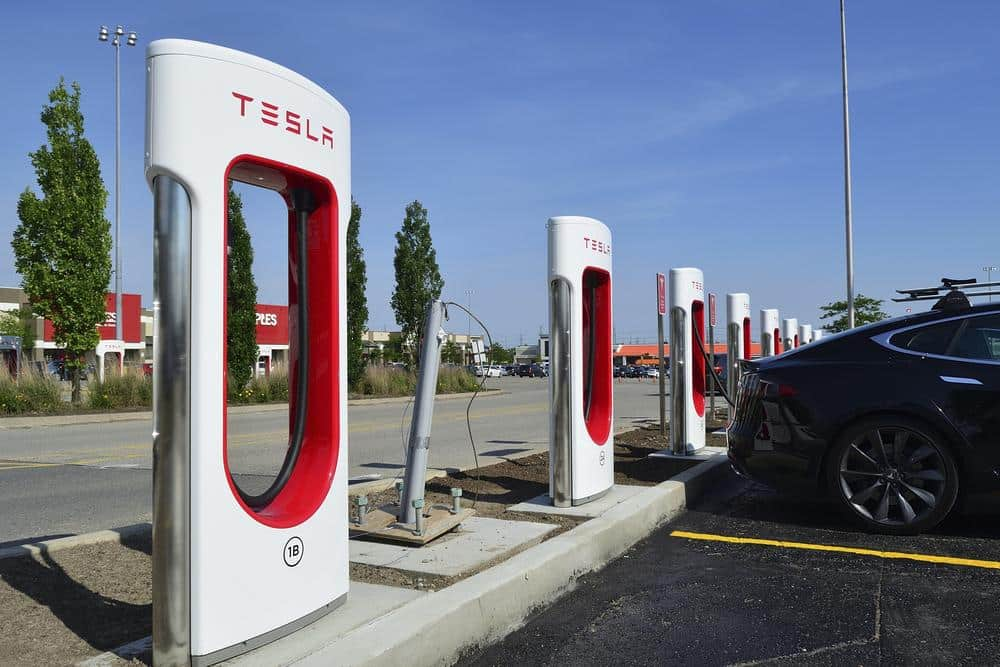
One of the biggest obstacles to EV growth in Bangladesh is the availability of reliable charging infrastructure.
Electric car owners need convenient charging options at homes, workplaces, shopping areas, and along major highways. Without enough charging points, potential buyers may worry about running out of power during longer journeys.
The government has recognized this problem. Under the FY2026–27 budget proposals, the tax burden on imported EV chargers and charging stations is set to fall from 39.75% to zero. The measure is designed to encourage investment in a wider charging network.
Range Anxiety Affects Consumer Confidence
Charging availability is closely connected to range anxiety. Buyers may hesitate to purchase an electric car if they are unsure whether they can find a charger outside major urban areas.
For Bangladesh, expanding charging facilities beyond Dhaka and other major cities will therefore be important if electric cars are expected to become practical for longer-distance travel.
High EV Prices Remain a Barrier
Purchase price is another major challenge for EV growth in Bangladesh. Although electric vehicles can offer lower operating costs, their initial prices can remain high compared with conventional alternatives.
The government is attempting to address this through lower taxes. The FY2026–27 budget proposes reducing the overall tax burden on imported EVs priced up to US$25,000 from 93% to 64%. EVs priced up to US$50,000 would face an 80% tax burden.
These measures could make some electric cars more accessible to Bangladeshi consumers, although the final retail price will still depend on import costs, dealer margins, and vehicle specifications.
Government Support Could Accelerate EV Adoption
The latest policies suggest that Bangladesh wants to develop a broader electric mobility ecosystem rather than simply encourage vehicle imports.
The budget also proposes lower registration-related advance income tax for EVs, while incentives for electric buses and trucks are being extended. At the same time, tax concessions are being offered for EV manufacturing and components.
These policies could support EV growth in Bangladesh by reducing costs for consumers while encouraging companies to invest in local production and charging infrastructure.
What the Future Looks Like for Electric Vehicles
Bangladesh’s electric vehicle market is still developing. Electric bikes and three-wheelers are already gaining traction, while electric passenger cars remain a smaller and more expensive segment.
If charging infrastructure expands and prices gradually become more competitive, consumer confidence could improve significantly. Government incentives may also encourage manufacturers, importers, and private investors to build a stronger EV ecosystem.
For more Bangladesh-focused automotive news, vehicle reviews and industry updates, readers can visit GarirNews.
Conclusion
The future of EV growth in Bangladesh depends on more than simply putting electric vehicles on the road. Affordable prices, dependable charging stations, suitable financing and consumer confidence will all be important.
The latest tax incentives are a positive step, particularly the proposed zero-duty treatment for charging equipment. But Bangladesh will need continued investment in infrastructure if electric mobility is to move from a growing niche into a mainstream choice.
Would you consider buying an electric car in Bangladesh today, or would you wait until charging stations become more widely available? Tell us what you think in the comments!