

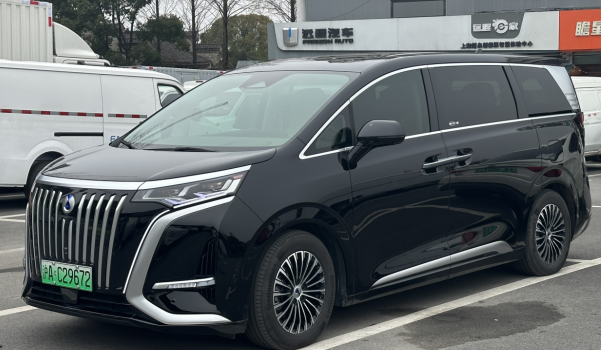
Explore the primary hurdles facing Bangladesh EV adoption, from high import taxes to complex grid integration for modern passenger vehicles.
The Challenges of Bangladesh EV adoption: Taxes and Grid Limits
The government has set an ambitious target to achieve 30% electric vehicle penetration by the year 2030, but the current reality of Bangladesh EV adoption faces significant, multifaceted roadblocks. While the environmental and economic benefits of transitioning away from fossil fuels are universally recognized, everyday consumers and policymakers are currently wrestling with two massive hurdles: an unfavorable tax structure and the severe infrastructural challenge of national grid integration.
The Staggering Cost of Vehicles
Among the most pressing challenges severely slowing down Bangladesh EV adoption is the burden of high import taxes imposed on electric vehicles. Currently, importing a completely built electric car incurs a massive duty and tax incidence of around 89%. While this rate is technically lower than the staggering 127% levied on traditional combustion-engine cars, it still keeps passenger EVs priced entirely out of reach for the average middle-class consumer.
To truly accelerate Bangladesh EV adoption, these tariffs must be drastically reduced to make eco-friendly cars financially accessible. Local automakers have strongly advocated for a more EV-friendly duty structure, arguing that high upfront costs are killing consumer interest before the local market can even establish a proper foothold. For the latest updates on automotive pricing, local market shifts, and detailed vehicle reviews, you can easily explore GarirNews for reliable insights.
The Complexities of the Power Network
Beyond the financial barriers, successful Bangladesh EV adoption heavily relies on overcoming massive infrastructural hurdles. The nation’s power grid is already under immense pressure from rapid urbanization and industrial growth. The sudden influx of new vehicles requiring daily, high-capacity charging presents a daunting challenge. If thousands of vehicles are plugged into standard residential outlets simultaneously, the sudden draw on the power sector could easily trigger severe localized blackouts.
Without intelligent load management and smart grid solutions, rapid Bangladesh EV adoption could unfortunately worsen existing load-shedding issues during peak evening hours. Currently, public fast-charging stations are incredibly scarce, leaving early adopters heavily dependent on slow, at-home charging methods that draw from the standard residential grid.
Pioneering Smart and Solar Solutions
To mitigate these severe infrastructural risks, energy experts are proposing innovative, off-grid solutions. Integrating dedicated solar-powered charging hubs along major routes, like the vital Dhaka-Chittagong highway corridor, could drastically reduce the strain on the national grid while offering 100% clean energy. Furthermore, the future implementation of Virtual Power Plants (VPPs) and bidirectional charging could eventually allow electric vehicles to feed surplus stored power back into the grid during peak demand.
Addressing these dual challenges of taxation and infrastructure is absolutely essential for the long-term success of Bangladesh EV adoption. As the country strives to meet its global carbon emission reduction targets and promote sustainable mobility, a balanced, highly strategic approach to policy and power management will ensure that widespread Bangladesh EV adoption becomes a tangible reality rather than just an ambitious policy dream.
What are your thoughts on the current prices of electric vehicles? Do you think the local power grid is truly ready to handle thousands of new EVs hitting the roads?
Share your perspective and daily commuting experiences in the comments below—we would absolutely love to hear your take!