
Learn how the new Easy bike regulation aims to safely manage 5.5 million electric three-wheelers, improve road safety, and tackle battery pollution.
The “Easy Bike” Phenomenon: Regulating 5.5 Million Electric Three-Wheelers
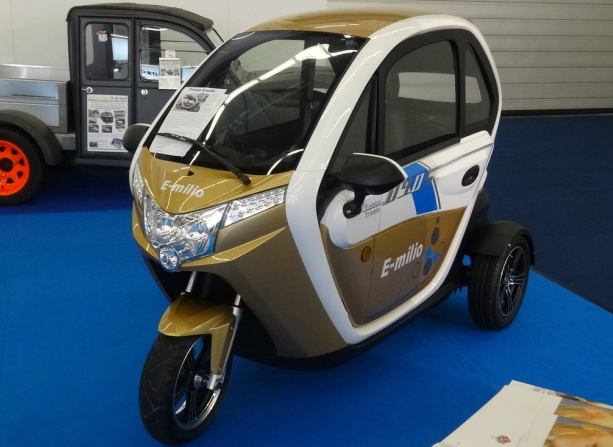
In recent years, the local transportation landscape has undergone a silent but massive transformation. At the center of this shift is the “easy bike,” a battery-powered transit vehicle that has rapidly multiplied across both crowded urban centers and remote rural areas. With an estimated 5.5 million electric three-wheelers currently in operation across the country, they provide an incredibly affordable, passenger-friendly, and accessible mode of public transit. However, this explosive and unchecked growth has brought significant infrastructural and environmental challenges to the forefront, making the push for strict Easy bike regulation an urgent national priority.
Why Easy bike regulation is Necessary
Despite their widespread popularity and vital role in daily commutes, the vast majority of these vehicles operate entirely within an informal, unregulated sector. Because they have historically lacked formal recognition from official transport authorities, they bypass standard safety checks, route permits, and strict driver licensing requirements. This severe lack of oversight has directly contributed to worsening traffic congestion in major metropolitan areas. Furthermore, there is an alarming number of fatal accidents, particularly when these low-speed, fragile vehicles illegally enter high-speed highways.
Consequently, modernizing the transport sector heavily relies on establishing comprehensive Easy bike regulation. By bringing these vehicles under a structured legal framework, authorities aim to enforce standardized manufacturing guidelines. This ensures that only structurally sound vehicles hit the road, drastically improving passenger safety and restoring order to the streets.
Tackling the Energy and Environmental Crisis
Beyond the immediate concerns of road safety, the environmental footprint of these vehicles presents a highly complex paradox. While they proudly boast zero tailpipe emissions—a major win for urban air quality—their heavy reliance on traditional, unregulated charging methods creates an immense, unpredictable strain on the national power grid. Furthermore, the internal components themselves pose a severe ecological threat if not managed properly.
The Shift from Lead-Acid to Lithium-Ion
Currently, the vast majority of these local transit vehicles run on cheap, short-lived lead-acid batteries. Because these power units degrade quickly—often failing within a single year—they lead to a massive, continuous cycle of improper disposal and hazardous lead pollution in local soil and waterways. A core component of the proposed Easy bike regulation involves systematically phasing out these toxic, inefficient units in favor of durable, high-efficiency lithium-ion batteries.
To properly support this crucial technological transition, policymakers are drafting guidelines that mandate strict battery tagging and formal recycling protocols for all operators. If you are interested in exploring how advanced battery technology impacts overall vehicle performance, or if you want to read the latest updates on automotive engineering, you can effortlessly browse GarirNews for detailed, up-to-date insights.
The Future of Sustainable Mobility
Formalizing this multi-million vehicle fleet is undeniably a massive undertaking. The latest strategic strides in Easy bike regulation include legally capping the number of vehicles allowed per district and requiring mandatory physical fitness testing before any official registration is granted. By actively and consistently enforcing Easy bike regulation, the government hopes to balance the economic livelihood of millions of drivers with the urgent public need for a safe, sustainable, and highly efficient transportation network.
Do you think formalizing these local transit vehicles will actually solve daily traffic issues, or will the new rules just make everyday commutes more expensive for the masses? Share your personal experiences and opinions in the comments below—we would absolutely love to know where you stand on this massive shift!