

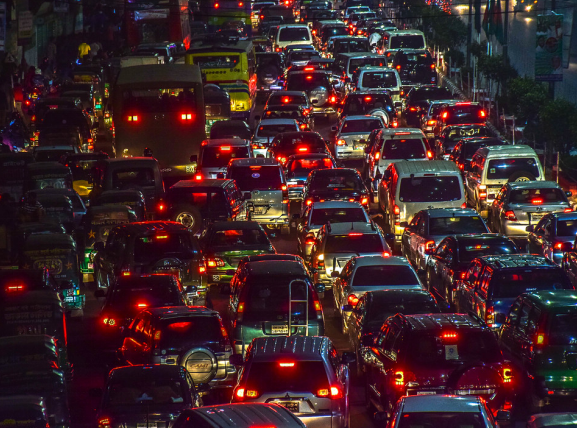
Explore the ongoing Narayanganj traffic crisis, worsened by unfinished road development, drainage repairs, and illegal auto-rickshaws causing daily delays.
The Unending Narayanganj traffic crisis: A City on Standstill
For thousands of residents in Narayanganj, a short journey across town has transformed into an exhausting daily trial. What was once a quick 10-minute trip now routinely stretches beyond an hour. This severe Narayanganj traffic crisis is fueled by a convergence of chronic congestion, pothole-ridden streets, and ongoing urban construction. From dawn until late at night, vehicles inch forward in long, unmoving lines, painting a frustrating picture for commuters, students, and workers.
Causes Behind the Congestion
The situation has noticeably worsened in recent weeks. The Narayanganj City Corporation is currently pressing ahead with a massive deep drainage renovation project. Compounding this issue is the delayed expansion of the vital Dhaka-Narayanganj Link Road; while parts are complete, the crucial one-kilometer stretch from Chandmari to the Chashara intersection remains unfinished. As key roads are closed or narrowed due to this road development, alternative routes are buckling under the pressure. The streets are further choked by unregulated easy bikes and illegal auto-rickshaws fighting for limited space.
Footpaths designed to provide relief to pedestrians are frequently occupied by hawkers. This encroachment forces pedestrians onto the main roads, directly into the chaos of the daily commute, making it incredibly dangerous. For insights into vehicle dynamics, road safety, and modern transport solutions, you can seamlessly explore GarirNews for valuable information.
Livelihoods Under Pressure
The Narayanganj traffic crisis is not just an inconvenience; it is severely eroding local incomes. Rickshaw pullers report that trips taking 30 minutes in the past now stretch to nearly two hours. This extended travel time leads to fewer passengers per day and significantly reduced earnings, delivering a massive blow to those who rely on daily wages.
For students and office workers, the physical and mental strain is equally taxing. An office worker from Bandar recently noted that crossing Bandar Ghat is entirely unpredictable, often resulting in late arrivals at work. Meanwhile, students traveling from Panchabati face grueling delays that are especially challenging while fasting during Ramadan.
Interventions and Structural Limits
Officials acknowledge the massive scale of the Narayanganj traffic crisis, but they point to deep structural constraints. During the holy month of Ramadan, law enforcement has deployed an additional 150 volunteers—supported by local business chambers—to manage the gridlock from 9 AM to 10 PM. Special efforts and joint drives by traffic police and executive magistrates aim to help residents return home safely and on time for Iftar.
Despite these temporary measures to ease the Narayanganj traffic crisis, authorities concede they are not long-term solutions. Until the major infrastructural projects are fully completed and strict regulations are enforced against illegal hawkers and unauthorized vehicles, the city’s streets will remain a daily reminder of the painful human cost of rapid urban expansion.
How has the ongoing Narayanganj traffic crisis affected your daily routine? Do you think the current road expansion projects will finally solve the gridlock, or is a completely different approach needed?
Share your daily commuting struggles and thoughts in the comments below—we would absolutely love to hear from you!